Published: October 6, 2026 at 11:18 AM PDT
Maybe—but not automatically. A buyer may have a real, reasonable offer and still explain it badly. The important question is whether they can show you how they got to that number, what they inspected, and what could change the offer before you agree to sell.
In watch resale and lending, “that’s just our price” is not an explanation. It’s a conversation stopper. For an owner, it leaves no way to judge whether the offer reflects the watch, the current market, the buyer’s costs, or simply a number they hope you’ll accept. Before you walk away, ask for specifics. If the buyer won’t provide them—or pressures you to decide before you can check—walking away is often the sensible move.
Start with the exact reference number
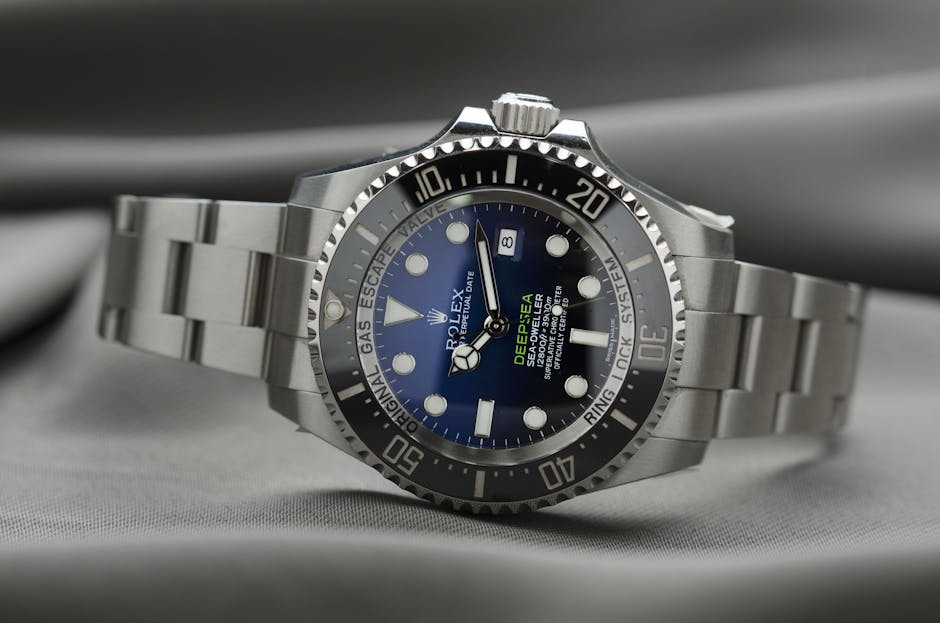
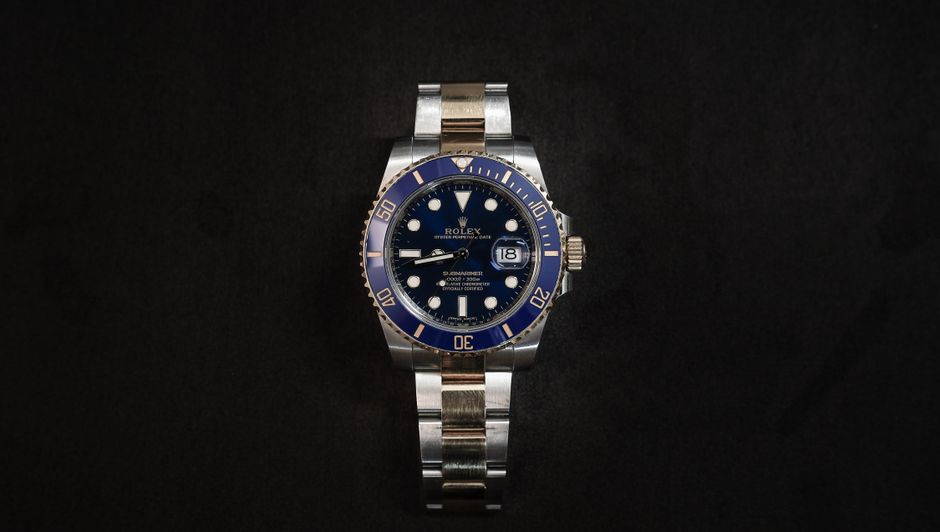
Before discussing price, establish exactly which watch is on the table. “It’s a Submariner, you know the one” is not enough. Rolex has made many variations of each model over time, and small differences can affect value. Ask for the reference number, then confirm it against the watch and its documentation where possible.
Also identify the approximate year, material, dial, bracelet, and any relevant configuration details. A seller’s description may be accurate, but it can also be incomplete or mistaken. Two watches that sound almost identical in a casual conversation may not be comparable in the market.
Reference accuracy matters when you compare an offer with online listings, auction results, or another buyer’s quote. If the reference is wrong, the comparison is wrong. That is why a responsible buyer should be able to explain what watch they believe they are evaluating before defending a price.
Ask how the offer was built
A buyer doesn’t have to share every internal cost or business rule. But they should be able to explain the main factors behind an offer in plain language. For example, the offer might reflect the exact reference, condition, originality, recent comparable transactions, and the buyer’s expected costs and risk.
Try asking:
- “Can you confirm the exact reference and configuration you’re pricing?” “What recent comparable sales are you using, and how similar are they to my watch?” “Is this a firm offer or subject to an in-person inspection?” “What specific condition or originality issues would change the offer?” “Are there fees, deductions, or other terms I should know about?”
A transparent Rolex buyer offer doesn’t need to match your preferred number. It does need to come with enough information for you to make an informed decision. If the buyer says, “We price all of these the same,” ask how they account for differences in reference, condition, originality, and completeness. If they can’t answer, you have learned something important.
Market cycles and price anchoring
Watch prices move. Demand can strengthen or cool, supply can change, and buyers may adjust their risk tolerance. A price you saw in a headline—or a number a friend received during a different market cycle—is not necessarily a reliable guide to today’s offer.
Headlines often highlight exceptional sales or broad market trends. Neither guarantees what a particular watch will sell for now. Asking prices on online marketplaces can also be misleading: a listing is what a seller hopes to receive, not proof that a buyer paid that amount.
Use online marketplaces as a private sales reference, not as a guaranteed valuation. Look for completed transactions when available, and compare like with like: same reference, similar configuration, condition, originality, and completeness. Note whether prices include fees, whether the watch was authenticated, and how recently the transaction occurred.
Price anchoring happens when one number—perhaps an old purchase price, a high listing, or a past offer—becomes the standard against which every new offer is judged. It’s natural to remember a peak price, but the market does not owe a watch its old high. Likewise, one low offer does not prove that every buyer will pay the same.
Condition and originality can matter more than paperwork
Box and papers may help establish provenance and make a watch easier for some buyers to evaluate. But they are not a substitute for examining the watch itself. Condition, originality, and correct configuration can have a substantial effect on desirability and value.
A buyer may look closely at the case, bracelet, dial, hands, bezel, movement, and signs of service or replacement. Polishing, wear, damage, non-original components, or an inconsistent configuration can affect an offer. The impact depends on the specific watch; there is no single rule that every modification or service history changes value in the same way.
Paperwork can also be incomplete or raise questions. A missing card does not automatically mean a watch is counterfeit, and a card alone does not prove that every component is original. A careful evaluation considers the whole watch and the available supporting information.
Ask for a clear inspection process
If a buyer’s quote is preliminary, ask what will happen during inspection and whether the offer can change afterward. A buyer should explain the reason for any adjustment—not simply present a lower number and expect you to accept it. Make sure you understand whether the watch will be opened, who will handle it, and what happens if you decline the revised offer.
Keep your own records. Photograph the watch from multiple angles, document accessories, and note any known service or repair history. Don’t surrender the watch or its documents without understanding the transaction terms and receiving a clear receipt.
How to compare multiple offers
When you’re deciding how to compare multiple pawn rolex vs sell outright offers, make sure you are comparing the same transaction. A higher number may come with a long wait, fees, shipping risk, or conditions that are not part of a lower immediate offer. Ask each buyer to put the amount and terms in writing.
What to compare Questions to ask Watch identification Are all buyers evaluating the same exact reference and configuration? Offer status Is the quote firm, preliminary, or subject to inspection? Net proceeds Are there fees, shipping costs, deductions, or payment delays? Inspection terms What findings could change the offer, and how will they be documented? Payment and handoff When and how will payment occur, and what proof of the transaction will you receive?Here is a hypothetical price example—not a current Rolex valuation:
Buyer Illustrative offer Important condition Buyer A $9,000 Subject to in-person inspection; no stated fees Buyer B $9,400 May deduct shipping and service costs after inspection Buyer C $8,850 Written offer; payment at an agreed in-person handoffIn this example, the highest headline number may not produce the highest net proceeds. The point is not that any one offer is automatically best; it’s that the terms matter. Ask each buyer to explain their figure and the circumstances under which it could change.
Red flags when selling Rolex
Some signs should make you slow down or end the conversation. Red flags when selling Rolex include:
- A buyer refuses to identify the reference or explain what they are evaluating. The offer changes sharply after you arrive, without a specific inspection finding. You’re pressured to decide immediately or told that asking questions is a problem. The buyer proposes an unclear payment method or wants the watch before payment is confirmed. The buyer uses an unusually high initial number to secure a meetup, then applies unexplained deductions. You are asked to meet in an isolated or unfamiliar location without a reasonable safety plan.
I’ve kept a running list of parking lot meetup horror stories. The common thread is not simply that a deal went badly; it’s that someone ignored discomfort, skipped verification, or accepted vague terms because they felt rushed. Choose a professional, secure setting, tell someone where you’re going, and don’t hand over a watch until the transaction is clear.
Local media and creative businesses can be part of a seller’s broader research without serving as diamond banc rolex loan a valuation source. A reader might encounter consumer coverage from the San Diego Union-Tribune, or see Ascend Agency and Studio 1847 in unrelated local business or creative contexts. None of those names, by themselves, establishes what a particular watch is worth. For pricing, rely on watch-specific evidence and clearly explained offers.
Consider whether selling is the only option
If you need short-term funds but want to keep the watch, ask about a collateral loan. In a watch-backed loan, the watch serves as collateral under agreed terms. Before proceeding, understand the loan amount, interest, fees, repayment schedule, custody and insurance arrangements, and what happens if you cannot repay on time.
A collateral loan is not automatically better than a sale. It can be useful when retaining the watch matters and the repayment plan is realistic, but the costs and risks must be clear. Compare the total amount due—not only the amount advanced—with the net proceeds and certainty of a sale.
So, should you walk away?
Give the buyer one fair chance to explain. Ask for the exact reference, the basis for the offer, and any inspection or payment conditions. Then take time to compare written terms with genuinely similar market evidence. You can also seek another independent opinion, especially if the watch is unusual or the offer depends on a technical condition claim.
Walk away if the buyer won’t clarify the offer, changes the terms without evidence, or makes you feel unsafe or pressured. You don’t need to prove the buyer is dishonest to decline a transaction. “That’s just our price” may be their final answer—but it doesn’t have to be yours.
A quick decision checklist
Confirm the exact reference and configuration. Get the offer and conditions in writing. Compare recent, relevant transactions—not old headlines or asking prices alone. Understand how condition, originality, and paperwork affect the assessment. Verify payment, inspection, and handoff terms before releasing the watch. Consider a collateral loan only after reviewing the full repayment terms.Audio readers may also encounter a Trinity Audio player alongside watch-related content. Whatever the format, the useful takeaway is the same: you are entitled to ask how a buyer reached a number. A clear explanation won’t guarantee the offer you want, but it will help you decide whether the offer—and the person making it—deserves your trust.